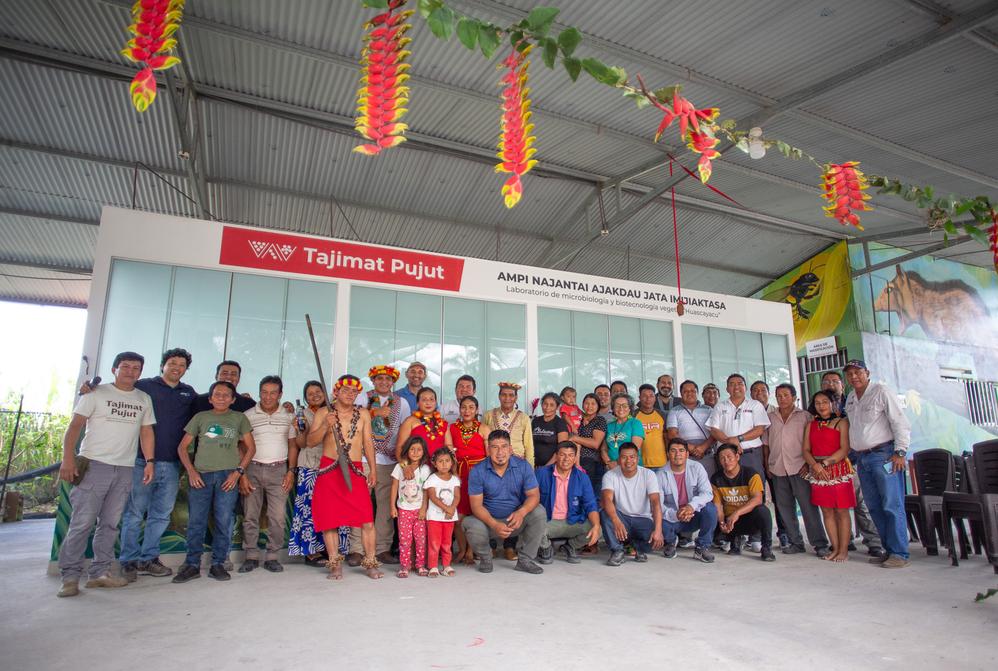
The lab will produce up to 3 tons of pest control agents and 12,000 liters of biofertilizers a year.
Rioja, San Martín – As part of the Tajimat Pujut (good living) initiative, the Microbiology and Biotechnology Lab was officially inaugurated in the Huascayacu Native Communit. This is a pioneering project in indigenous communities that seeks to improve agricultural productivity through the use of bio-inputs and sustainable practices, strengthening the local economy and the conservation of the Amazon rainforest.
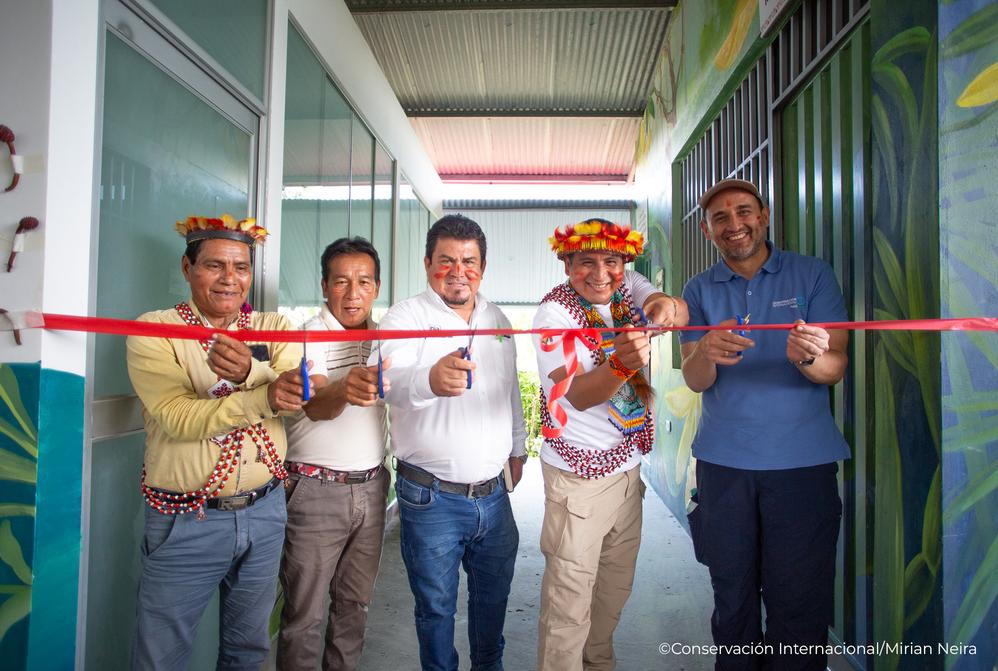
It started in 2024 to optimize vanilla cultivation through biological control and natural fertilization, backed by scientific research on beneficial microbiota. Following positive results, in 2025 the project was expanded to cover 1,000 hectares of cocoa, coffee, and vanilla crops, contributing to landscape restoration and reduced deforestation.
The inauguration ceremony was attended by the community leader, Ernesto Jiukam; the president of the Awajún Regional Indigenous Federation of Alto Mayo (FERIAAM), Wilfredo Tsamash; the Vice President and Executive Director of Conservation International Peru, Luis Espinel; the Director of the San Martín office of the National Institute for Agricultural Innovation (INIA) and the representative of the partner responsible for implementation, IICARO, Dino Cabrera, local authorities, and other strategic allies.
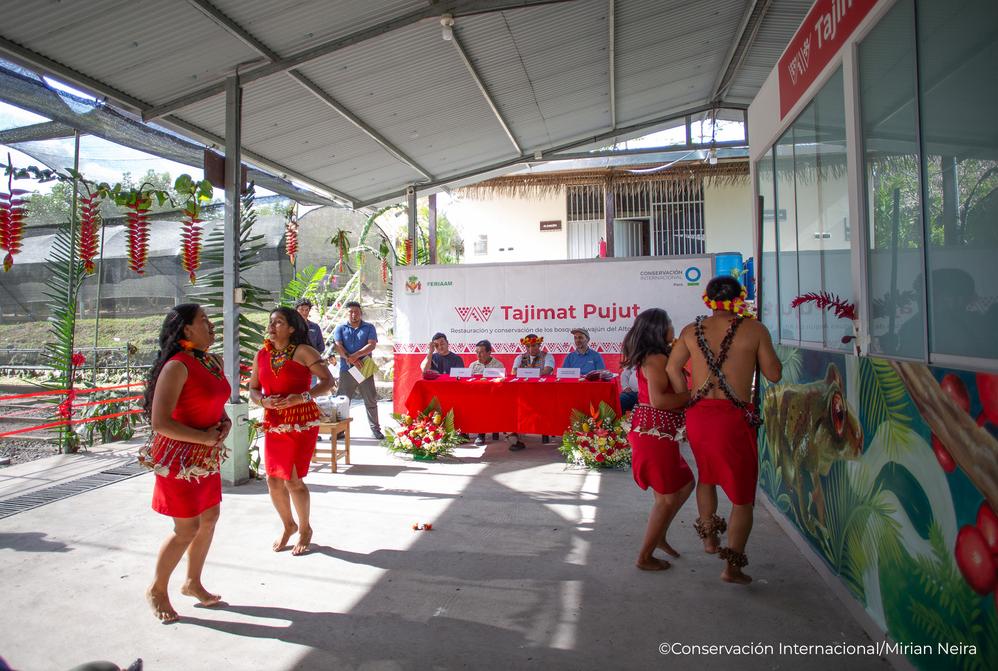
“This laboratory is a dream come true, further proof that science is a tool for conserving our forests. With the pest control products and biofertilizers that we will produce here, we want to continue promoting organic farming that does not pollute the soil and helps us restore the value of our land,” said Wilfredo Tsamash, president of FERIAAM, the organization behind the Tajimat Pujut initiative, which seeks to restore and conserve more than 230,000 hectares of Awajún communal forests through sustainable productive activities such as cocoa, coffee, and Amazonian vanilla.
The lab’s facilities counts with an incubation, massification, and bioreactor areas. Sherry Jiukam, an Awajún assistant at the laboratory, explains that these fungi and bacteria act in symbiosis with the plant, which secretes substances that benefit the fungi and bacteria, and in turn, they help to effectively control pests and diseases in the crop. In addition to these protective functions in the field, they perform others such as regulating pH, accelerating the decomposition process of organic matter, and facilitating the absorption of minerals from the soil.
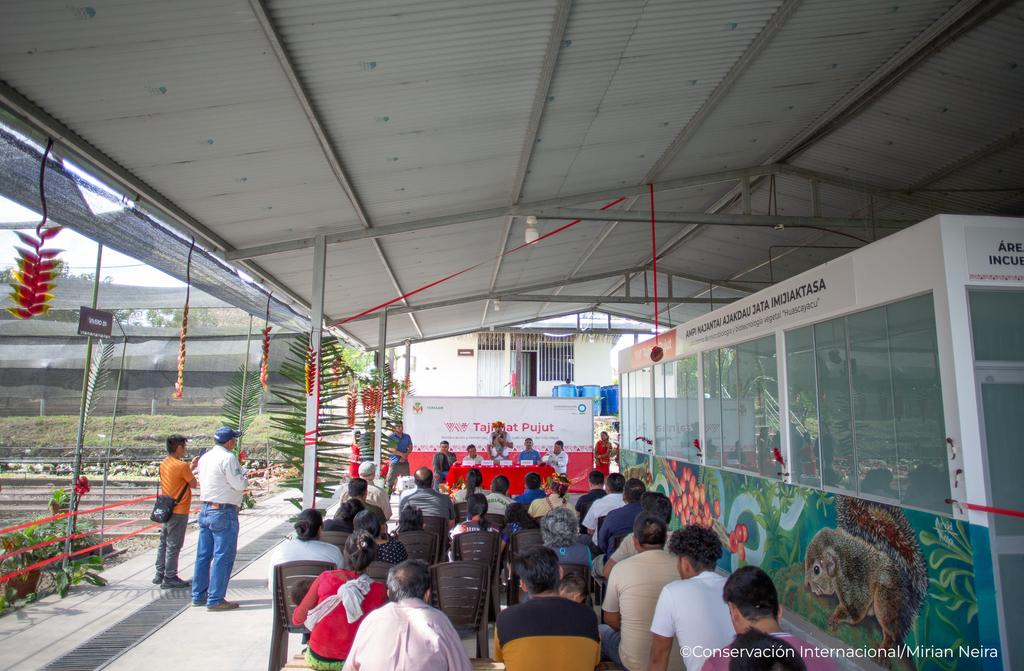
This labo not only represents technological progress, but also an opportunity to bring together native communities, the government, the private sector, and academia, to consolidate processes that promote good living (Tajimat Pujut) and resilience in Alto Mayo.