In the heart of the Peruvian Amazon, women are taking on an increasingly prominent role in the management and protection of the territory. Traditionally dedicated to caring for their families and supporting their communities, they are now emerging as leaders of sustainable bio-businesses that demonstrate it is possible to generate income without putting the forest at risk. Bioeconomy strengthens women’s autonomy and is highly profitable: data from the World Bank indicates that keeping the rainforest standing through sustainable activities can be up to seven times more profitable than deforestation for traditional agriculture or livestock farming.
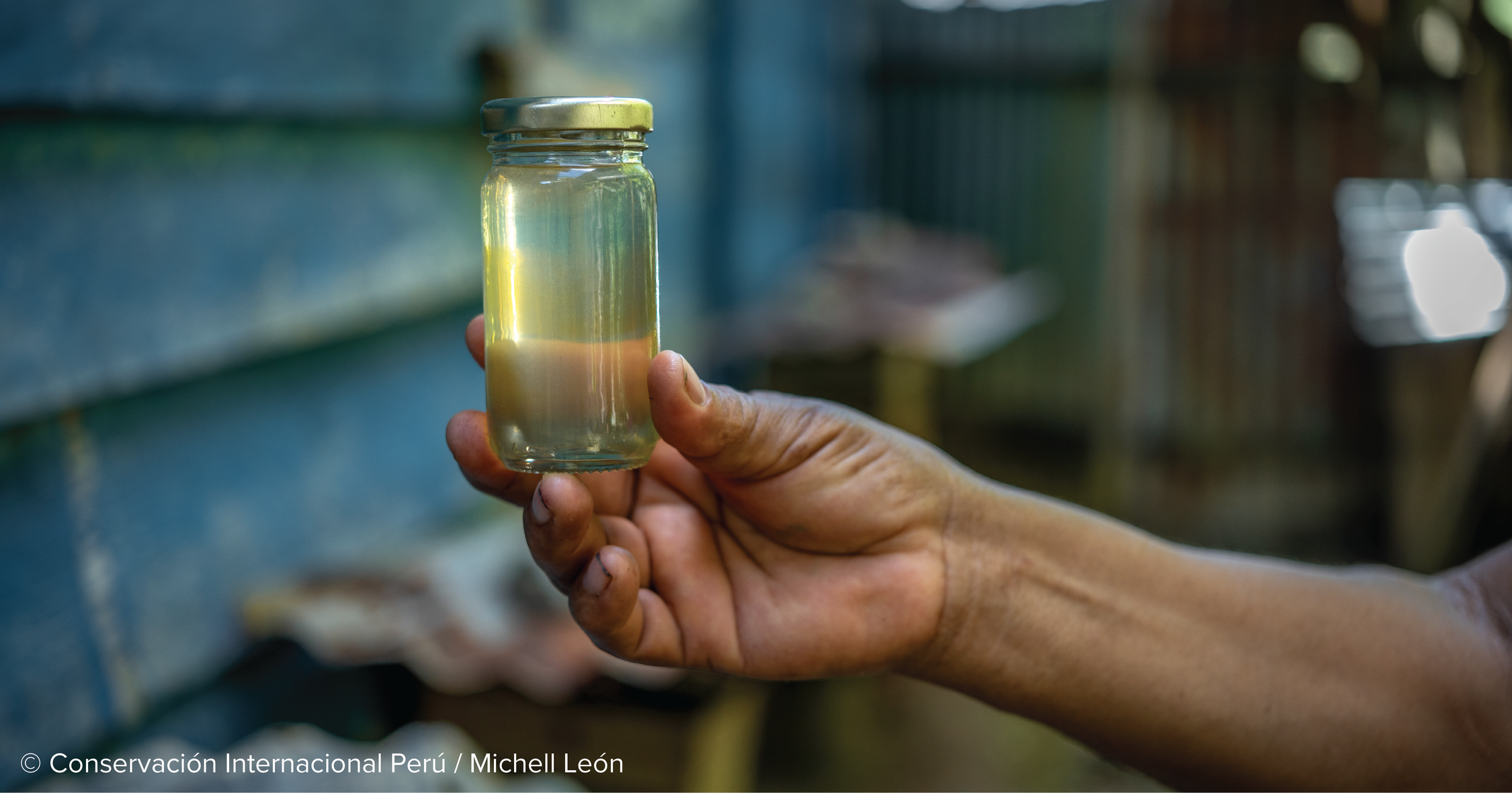
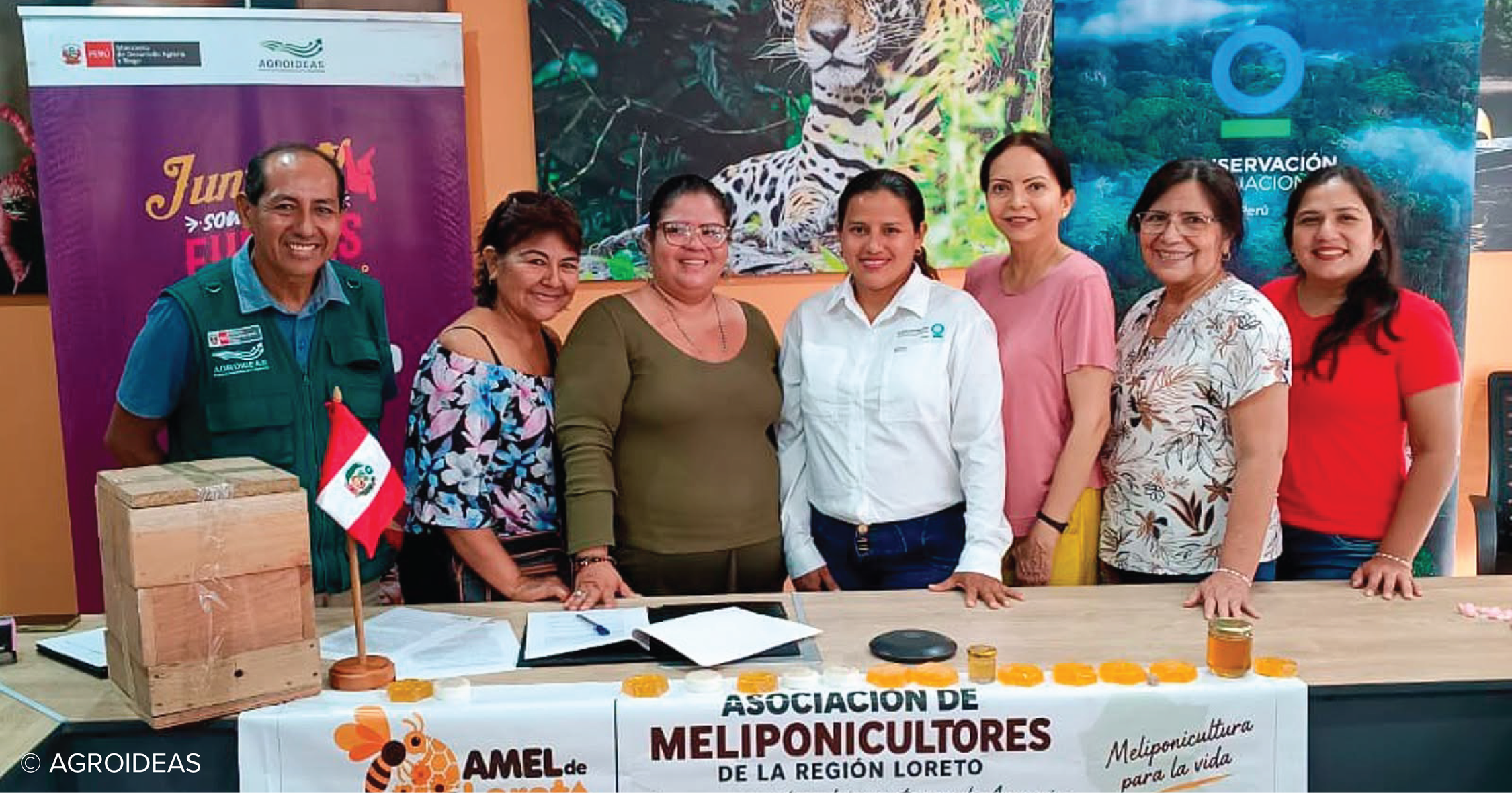
An example of this transformation can be seen in Nauta, Loreto. Here, the Loreto Amazon Conservation Network (RACOL)—a platform that supports conservation areas in the region and promotes nature-based value chains—has taken a decisive step toward boosting the production and marketing of honey from native stingless bees. Through their Association of Meliponiculture Farmers, the network accessed public funds from the Agroideas program of the Ministry of Agrarian Development and Irrigation’s. In turn, this program has a Rural and Indigenous Women’s Entrepreneurship Strategy (EEMRI), which requires that more than 80% of the association’s members be women.
Thanks to the technical support provided by Conservation International Peru throughout the grantdevelopment and application process, this association will receive co-financing of USD$39,700 to promote the production and marketing of honey from native stingless bees, address priority gaps in technical equipment, specialized training, and business formalization.
We are the connecting bridge that links local initiatives with government funding mechanisms, contributing to the financial sustainability of local organizations such as RACOL, with whom we share a common vision for development”
We are very proud to have secured these funds and to be the only eco-business in Loreto to have achieved this”
By promoting meliponiculture, these women producers not only diversify their household economies with a high-value product but also protect native bees, which are essential for the pollination and regeneration of Amazonian flora. Thus, the partnership between the community organization, public funding, and technical assistance demonstrates that women’s leadership is the most effective driving force for conserving the Amazon.