In this small-scale fishing community, located in a highly biodiverse area near the Grau Tropical Marine National Reserve, a pilot project is underway looking to transform this coastal fishery.
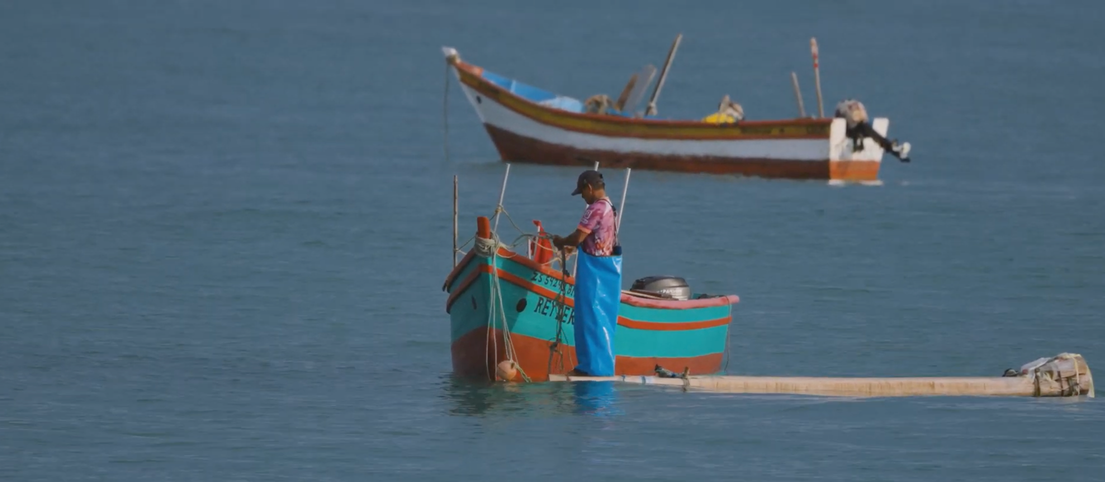
Through the Coastal Fisheries Improvement Project, led by Conservation International in partnership with in Tumbes, the goal is to strengthen the environmental, social, and economic performance of this community’s artisanal fisheries.
At the beginning, the project focused on generating data where none previously existed. Through participatory monitoring, the fishermen themselves began recording their catch, species, and sizes, strengthening their ability to make informed decisions. At the same time, the active participation of women was encouraged; they were trained in best practices for handling and processing aquatic resources, with the aim of helping to diversify their families’ income. “We are a community that is highly dependent on the sea, and there isn’t much business around here,” says one of the participants.
Punta Mero boasts a rich biodiversity in its waters and rocky reefs. Here, you can spot whale sharks and sea turtles such as the hawksbill, as well as other endangered species, underscoring the importance of promoting responsible fishing practices.
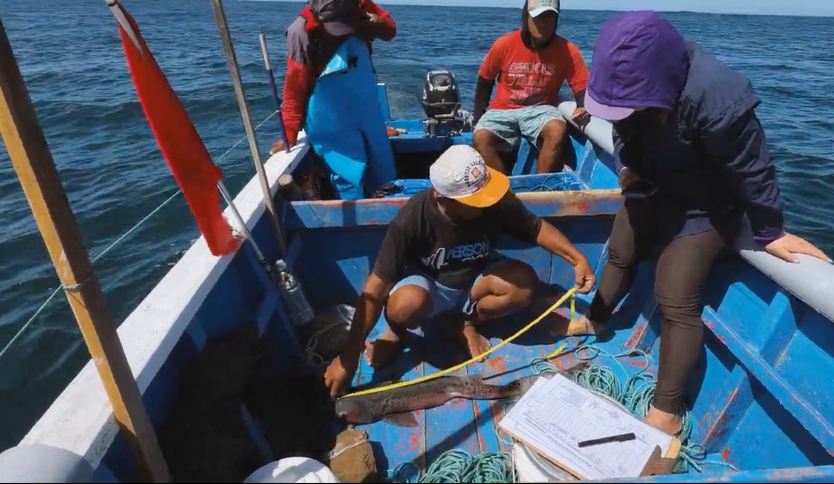
Historically, fishing in the area has relied on the use of nets. “Net fishing is the most common method here in Punta Mero. We set the net and leave it until the next day,” explains Guillermo Cobeñas, a local fisherman. However, this method also presents significant challenges. The nets often get snagged on the reefs, causing economic losses for the fishermen and creating “ghost nets” that continue to harm the ecosystem. Additionally, interactions with marine wildlife are frequent: “I’ve caught turtles, manta rays—once a huge whale shark got tangled in our net. We freed it little by little, but we lost our net,” recalls Daniel Román, another artisanal fisherman.
In fact, studies conducted during the project identified that, during whale shark season, there is a high level of interaction with curtain nets, says Cynthia Céspedes, manager of the Oceans program at Conservation International Peru. This finding spurred the search for more sustainable alternatives.
After three years of collaborative work, the longline has been adopted as an alternative and complementary fishing gear. Its implementation has involved a learning process for fishermen, who have gradually adapted to its use and come to understand the opportunities this new fishing tool offers. Its use as an alternative will help them adapt to the different migration seasons of marine megafauna species and to climatic events such as El Niño, which affects the availability of fishery resources caught with nets. “For me, the longline would be more feasible than the net, because it’s a more selective method and the fish have greater value. We can use it during whale seasons and when there are sea lions,” says Julio César Román, president of the Punta Mero Artisanal Fishermen’s Association.
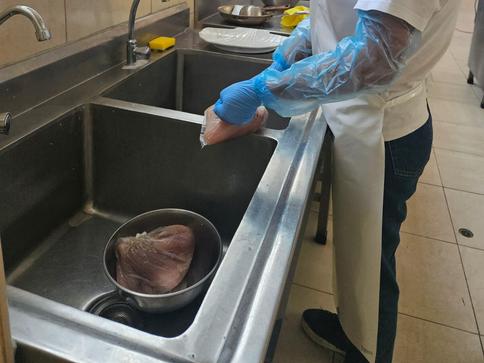
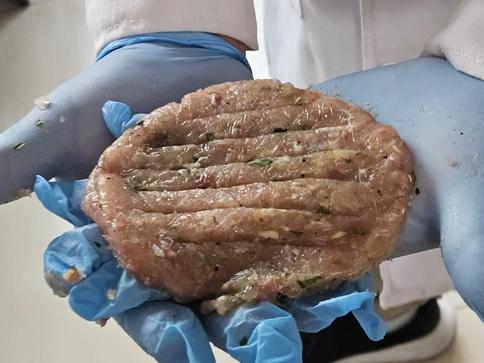
With longline fishing, they can obtain a higher value catch and improve their income while reducing environmental impact, as it is possible to reduce the mortality of threatened species caught incidentally.
Thanks to the work ecOcéanica has been doing in the area, fishermen have also learned to release species accidentally caught with longlines, reducing the impact on marine wildlife.
Currently, the project continues work with the longline trials, a key phase that will allow for a more rigorous assessment of its impact, whilst opening new opportunities for the community, promoting a more sustainable and resilient fishing industry aligned with the conservation of one of the country’s most biodiverse marine ecosystems.