Triple impact value chain consolidated
Since 2022, Conservation International has been working with various public and private entitiesto support the Conservationof Loreto and generate solutions that demonstrate that protecting nature is the best investment for the development and wellbeing of people.
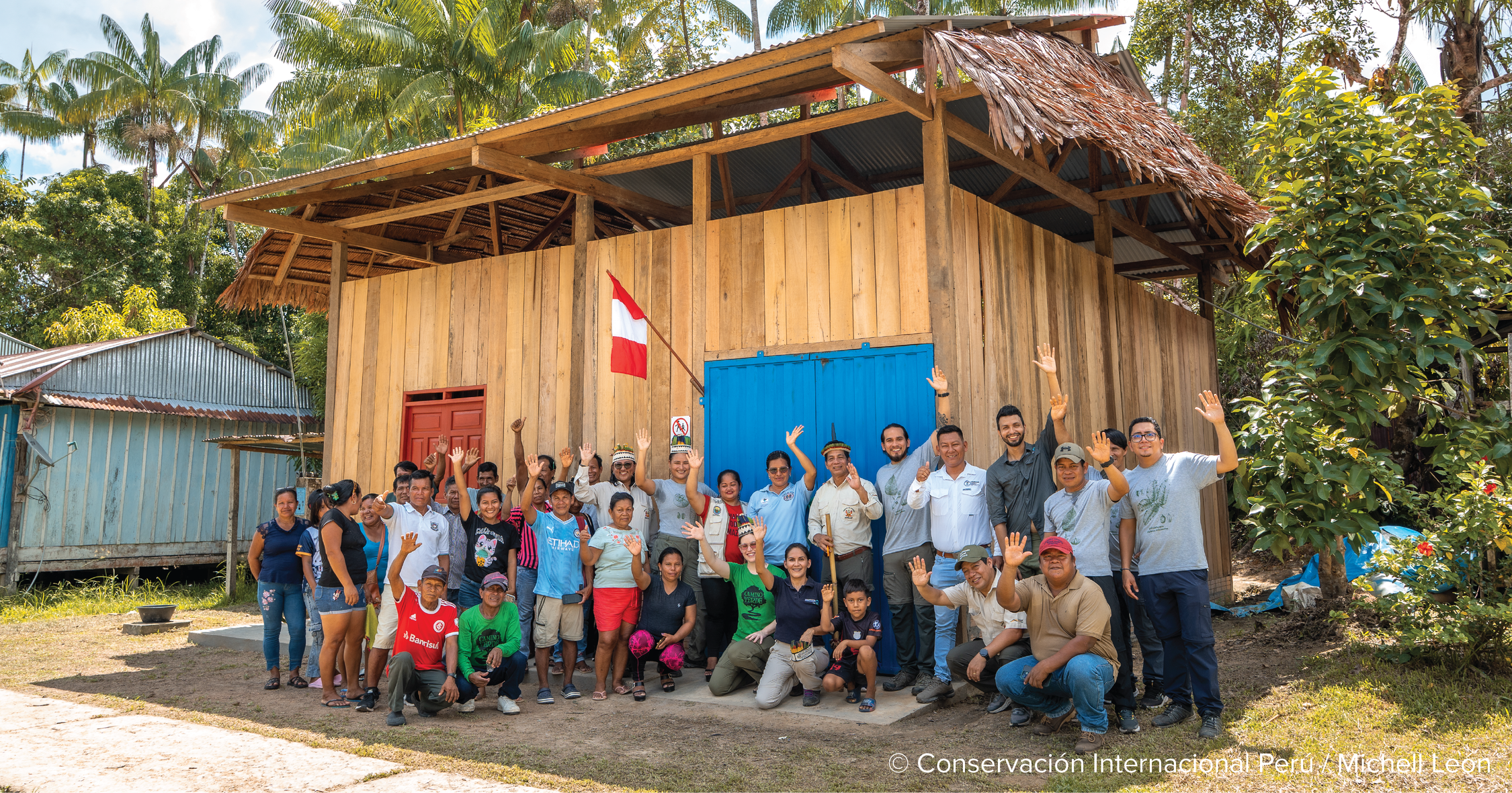
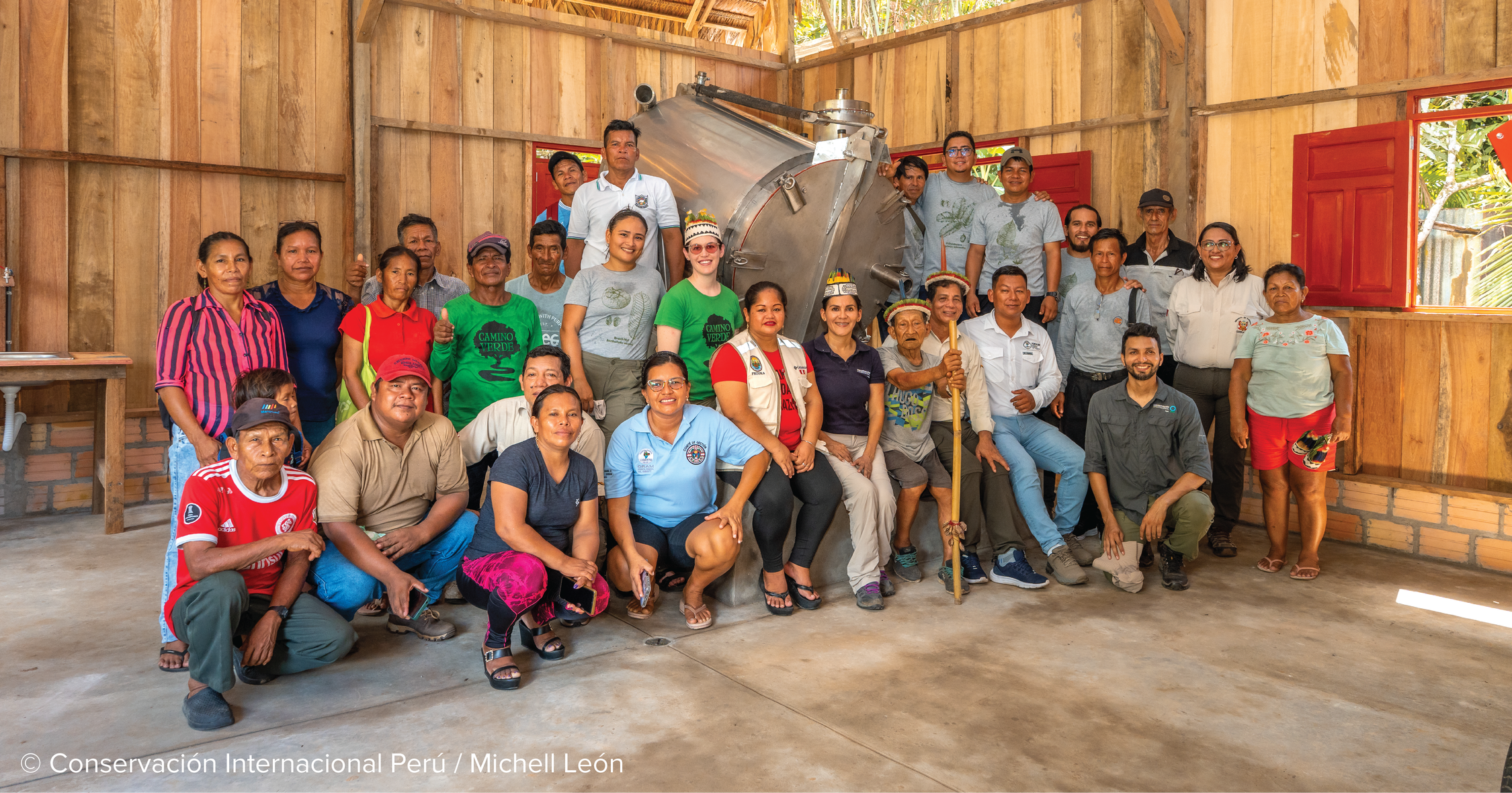
Thanks to the new rosewood primary processing plant, inaugurated in the native community of Boras de Pucaurquillo, six hours from the city of Iquitos, this resource isbecoming one of the most prominent value chains of these parts.
"Having a plant like this in the heart of the Ampiyacu basin means being more cost-efficient. Before, the raw material had to be transported to Iquitos for processing, resulting in a lot of product loss. Now, with this plant, 170 families will benefit from higher incomes"
Rose wood, or Aniba roseaodora, is a forest species extracted during the last century from this area to be utilized in the perfume industry, enslaving the communities of the Napo, Algodón and Putumayo rivers, leaving the species in danger of becoming extinct.
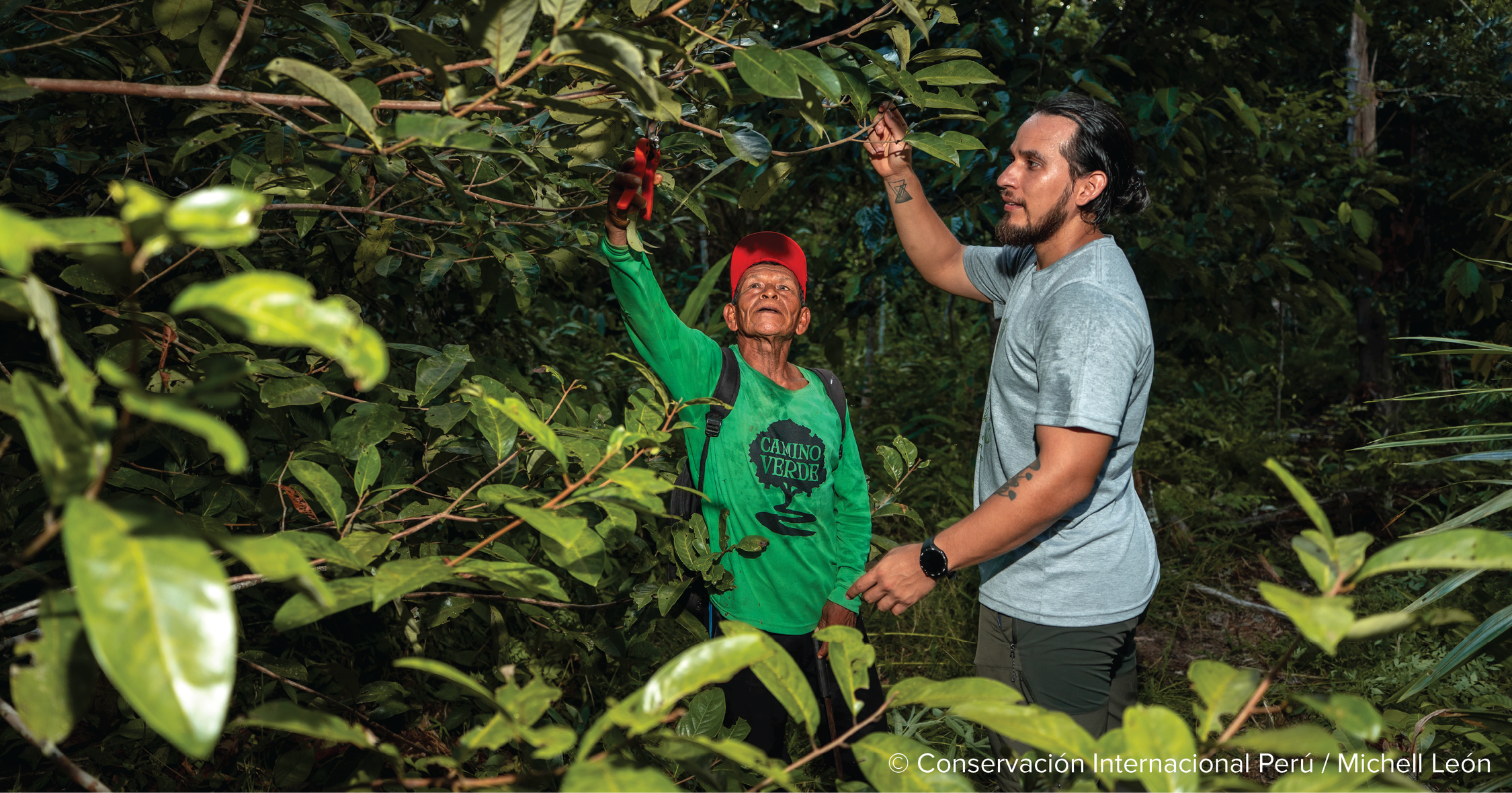
“At Camino Verde, we are working to recover this culturally valuable and endangered species”
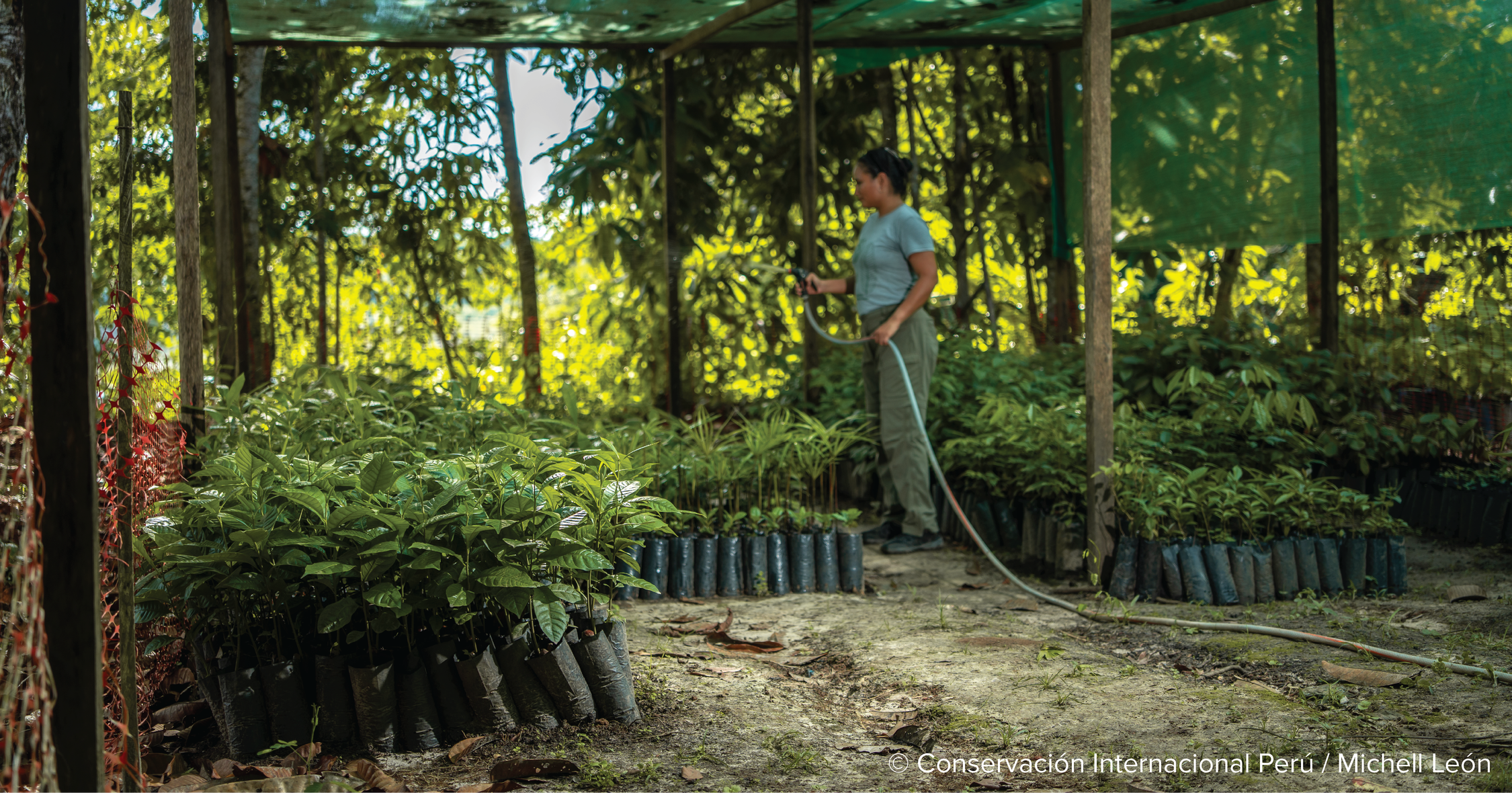
Over the past four years, thanks to joint efforts with Camino Verde and the Yaguas National Park Authority, more than 15,000 rosewood seedlings have been planted in eight native communities. Teófilo Torres, head of Yaguas National Park, says that this plant completes the production chain for essential oil extraction, which benefits the communities and guarantees their sustainable development, while also reducing threats to the Ampiyacu Apayacu Regional Conservation Area and the National Park itself.
“I am happy working with rosewood because it gives me a higher income and makes me want to continue reforesting, planting, and caring for the trees so that I can have more income for my family”
The plant has the capacity to process 300 kilograms of biomass and will enable it to meet greater market demand that was previously inaccessible due to more limited production. This scaled bioeconomy model could be adapted to Bajo Putumayo, another landscape associated with Yaguas National Park, thereby contributing to the conservation of its more than 884,000 hectares of pristine forests and the communal territories that work closely with the park.
The inauguration of the distillation center marks an important milestone thanks to coordinated management between institutions, opening up new opportunities for income and autonomy for communities that are now more resilient to climate change. According to Mayra Collantes, a woman leader of the Federation of Native Communities of Ampiyacu, it is no longer just chambira, hunting, and fishing, but now also rosewood that promotes the well-being of the families of Ampiyacu.