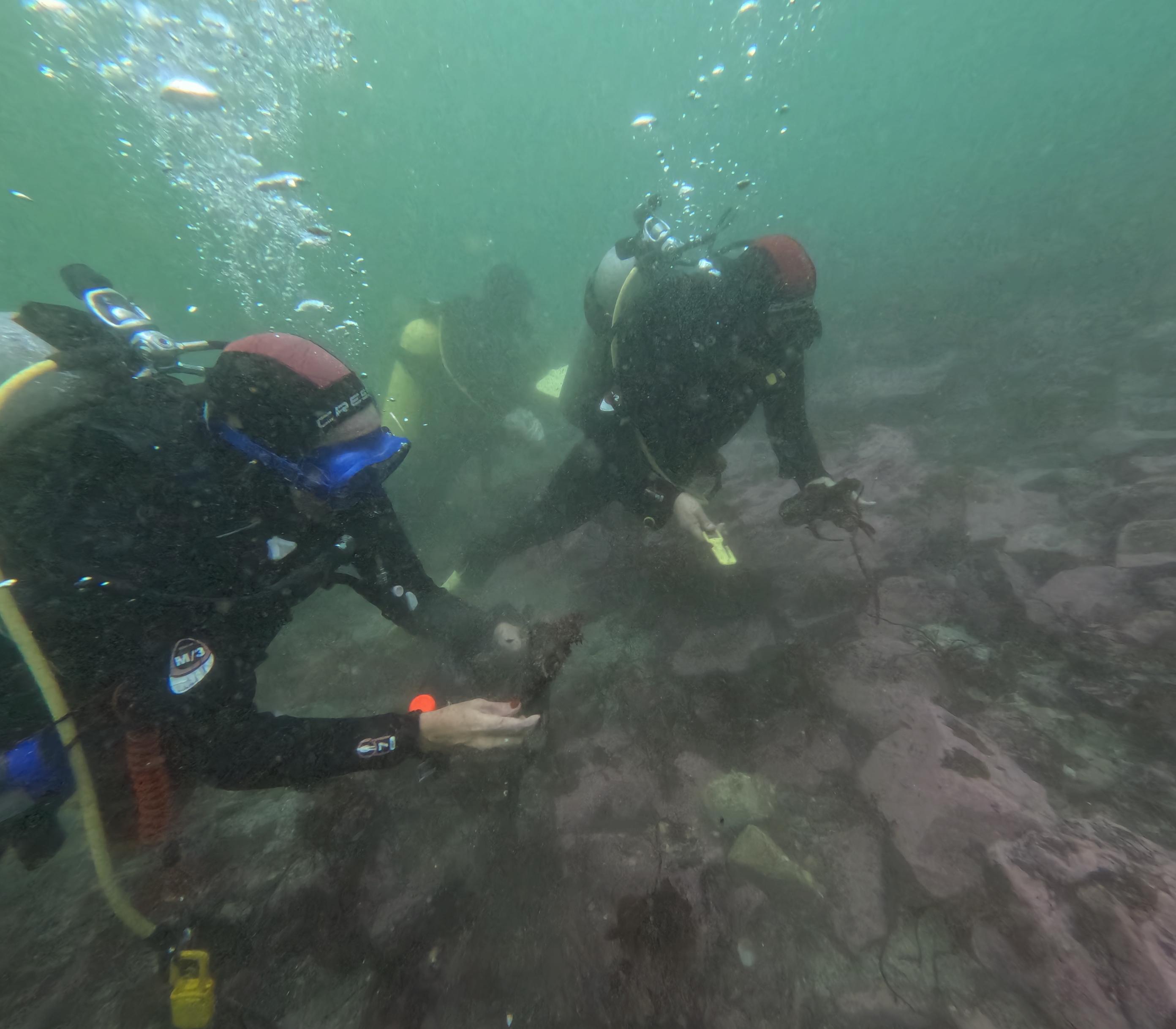
Conservation International, with support from SC Johnson, announced the launch of the first regional ocean rescue operation, which will bring together Mexico, Costa Rica, Colombia, and Peru to locate, document, and remove ghost nets, lines, hooks, ropes, and other abandoned fishing gear that continue to trap marine wildlife and degrade coastal ecosystems.
The initiative mobilizes specialized divers, coastal communities, fishermen, authorities, and local organizations, who will work under technical and safety protocols to remove these materials without harming reefs, corals, and other marine species. In addition to removing these materials, the operation strengthens regional capacity to prevent, identify, and respond to this problem, and to document results such as sites addressed, species released, and the volume of nets and lines removed.
From the surface, the ocean may appear clean and untouched. The problem arises when we descend and find corals covered in lines, trapped animals, and nets that continue to catch fish without anyone monitoring them. This operation aims to remove that danger, but above all, to bring to light a reality that most people will never be able to observe firsthand”
Removing a ghost net isn’t simply a matter of finding it and cutting it. It may be embedded in the reef, contain living organisms, or become a trap for the divers themselves. That’s why every operation requires training, planning, the right equipment, and highly coordinated work”
Each country carries out activities tailored to its local context in collaboration with authorities, community organizations, and strategic partners. Upon completion of the operation, regional indicators will be compiled, including the number of sites addressed, divers mobilized, participating communities, species released, and nets, lines, and other materials removed.
Mexico: Women Diving to Protect the Ocean
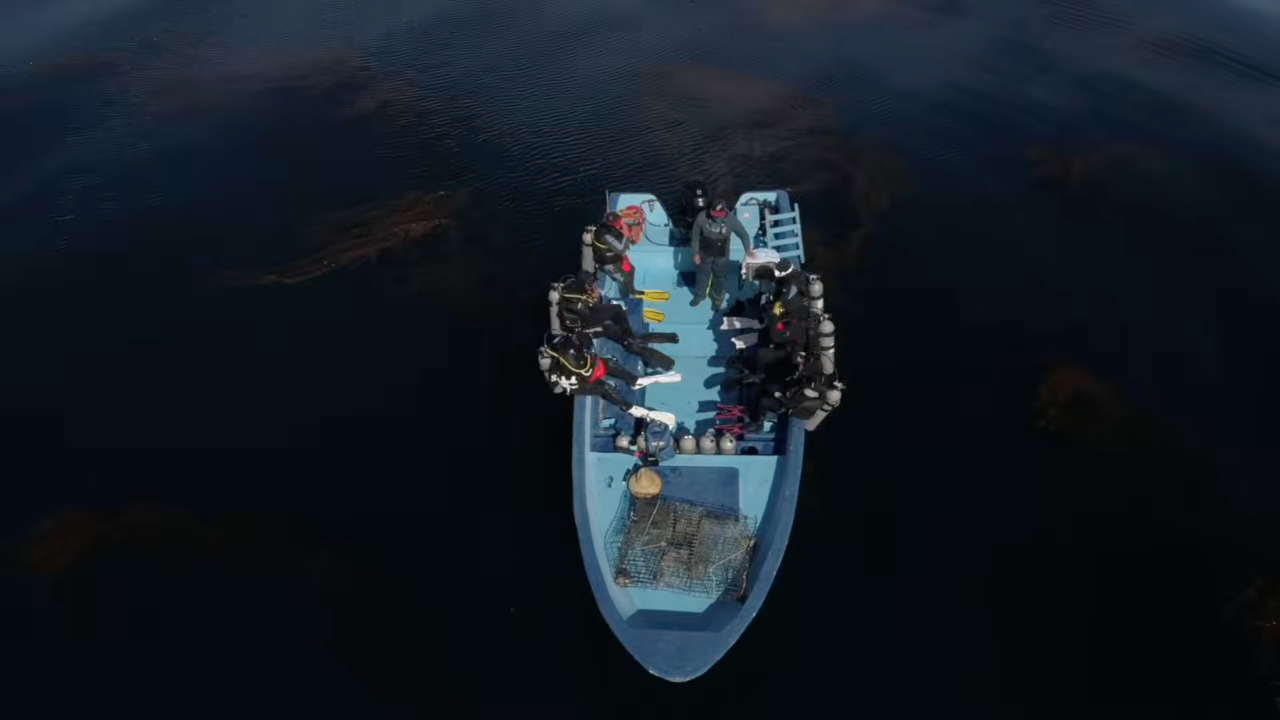
In Mexico, the operation brings together Conservation International Mexico, Las Sirenas de México, representatives from the National Commission for Protected Natural Areas (CONANP), and other local partners to remove abandoned fishing gear and protect marine ecosystems.
Those of us who live near the sea know just how much it means to our communities. When we go down and find abandoned nets or lines, we realize that we’re not just removing trash—we’re protecting our home, our biodiversity, and our way of life”.
Costa Rica: A Problem That Knows No Borders
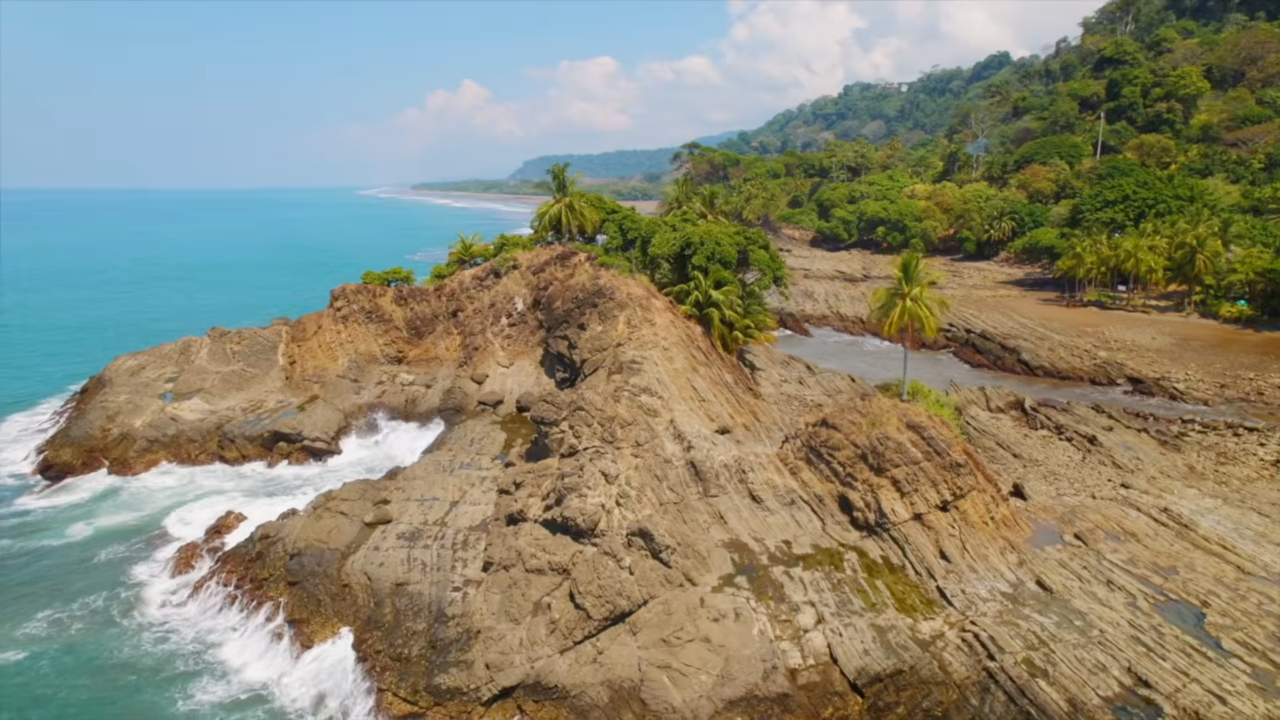
In Costa Rica, the operation takes place in the Gulf and on the Nicoya Peninsula, with the participation of Conservation International Costa Rica, as well as the Coast Guard, INCOPESCA, and SINAC, among others; key partners—including NGOs (ACEPESA) and academia (National University of Costa Rica); and coastal and marine communities and trained local teams.
Ocean currents connect our ecosystems and can also carry nets, lines, and other debris over long distances. This operation demonstrates that no country can tackle a problem that moves across the ocean on its own, but that everyone can do their part to solve it.”
Removing fishing gear is a solution to part of the problem. We also need to strengthen prevention efforts, ensure the timely reporting of lost gear, and recover equipment lost during fishing activities.”
Colombia: A Partnership to Protect Corals
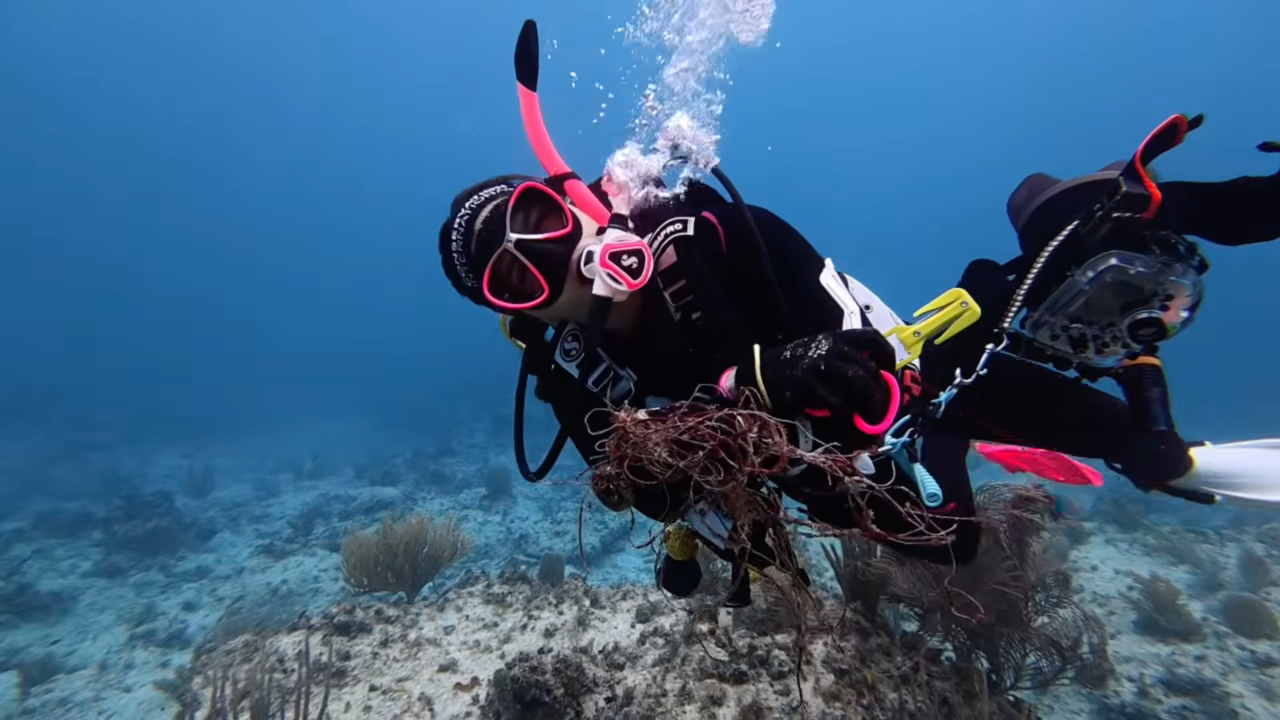
In Colombia, experts from Conservation International are working alongside Colombia’s National Natural Parks, environmental authorities, and specialized divers in the San Andrés, Providencia, and Santa Catalina archipelago to protect corals and strengthen the resilience of these ecosystems in the face of climate change.
A fishing line may seem insignificant from a boat, but underwater it can wrap around a coral colony, fragment it with the movement of the waves, and remain there for years. Conservation in our parks also takes place in places that most people can never see.”
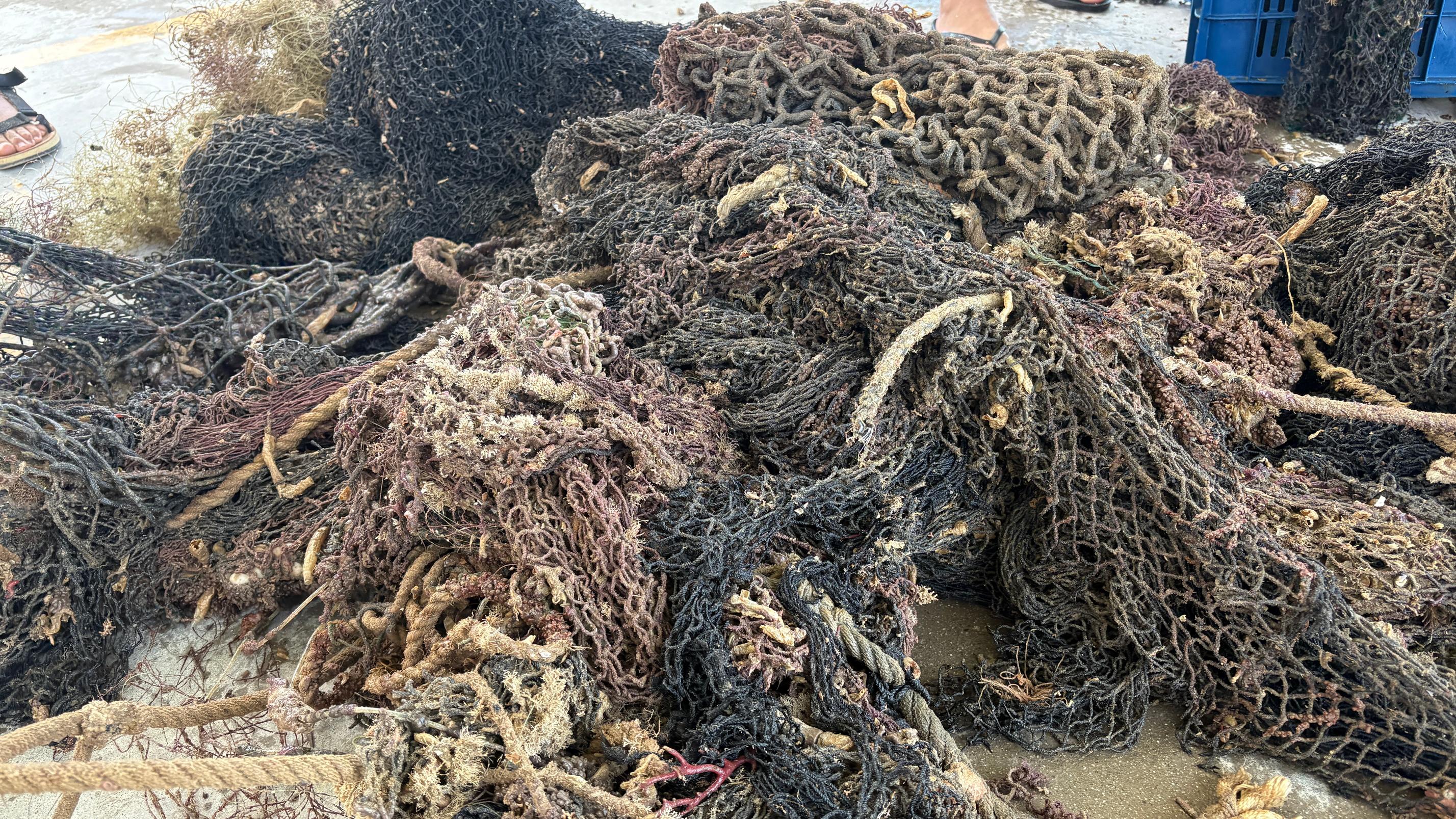
To strengthen this work and as part of the first nationwide operation, Colombia will prioritize coastal communities, organizations, technical staff, and various officials by offering a course and two coastal and marine workshops aimed at strengthening the protection of marine life.
Peru: Protecting an Ocean That Supports Communities
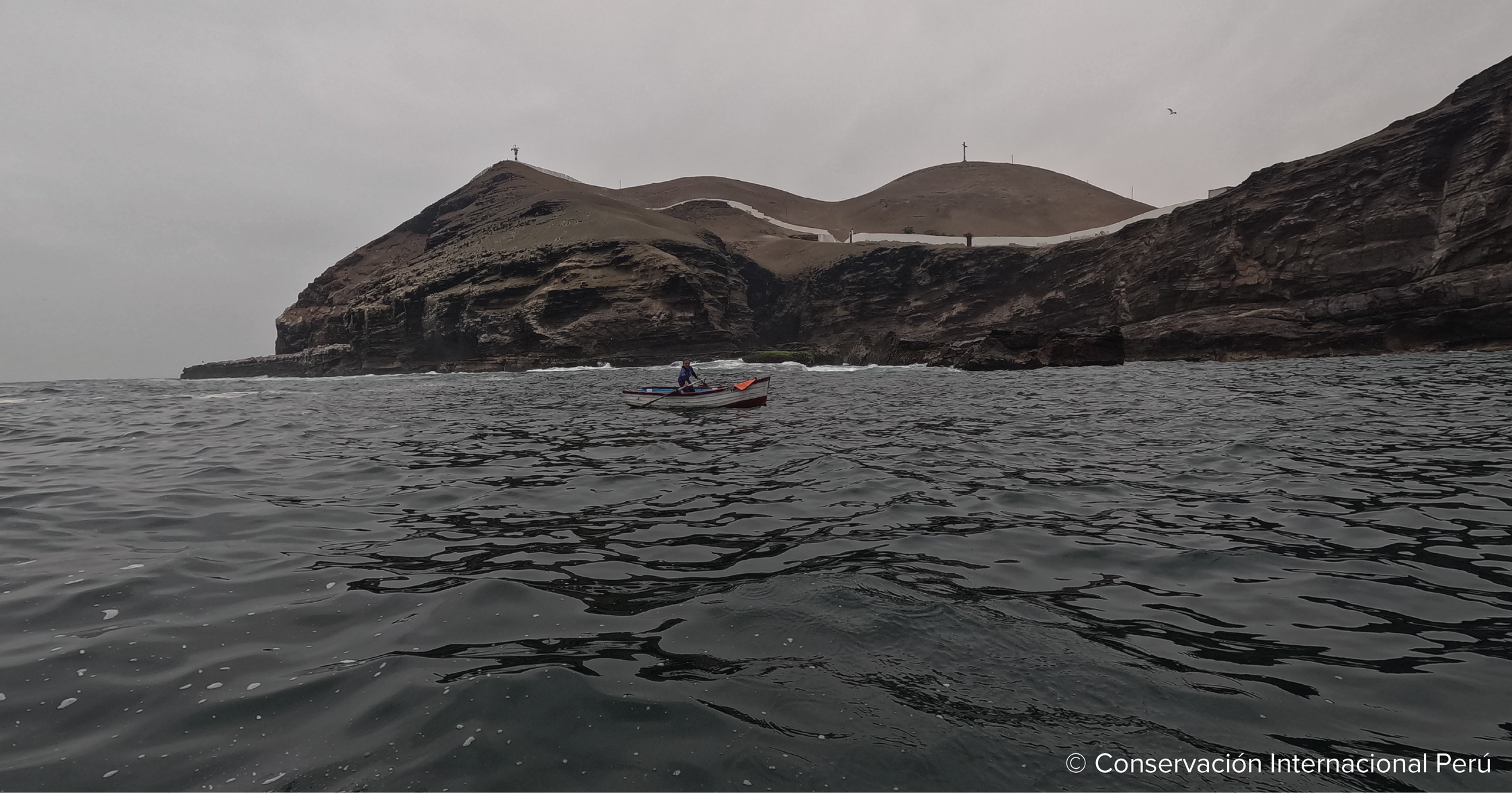
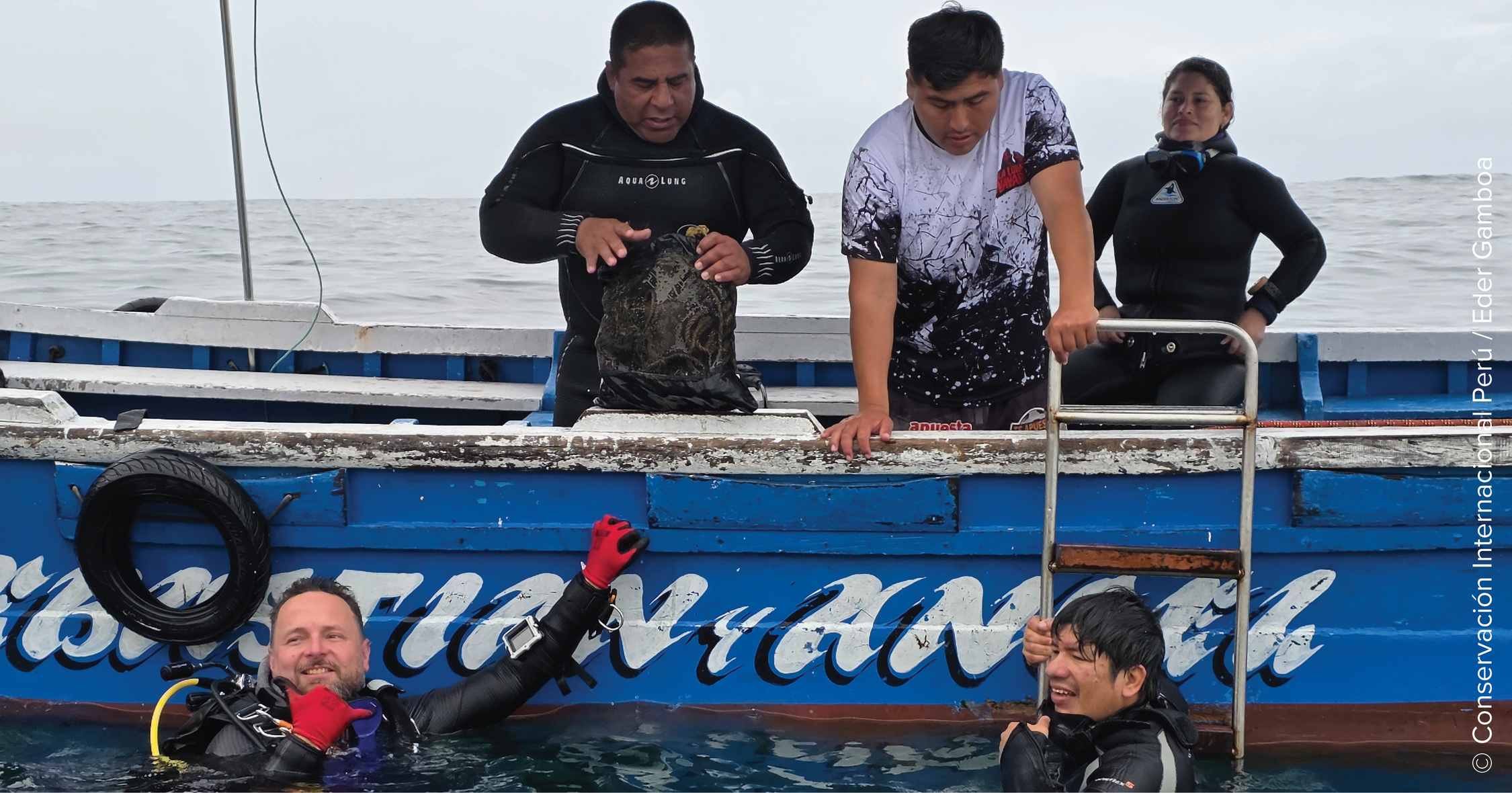
The operation in Peru took place in Tumbes and Pucusana and was carried out by Conservation International Peru in collaboration with Spondylus and Naylamp Diving Centers, as well as the National Park Authorities.
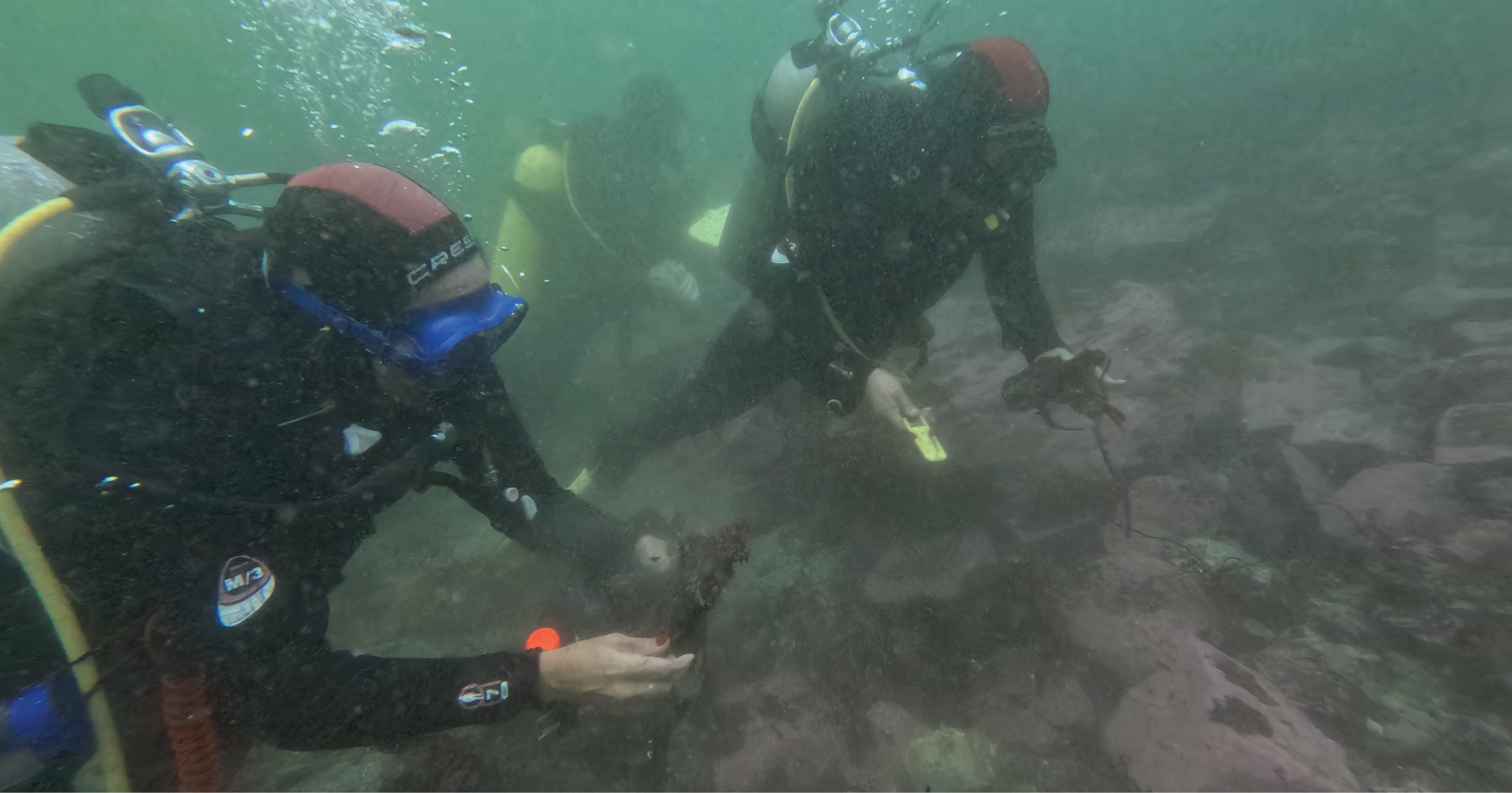
It has been very rewarding to be able to remove these nets that harm the ecosystem. This is the first time I’ve seen the impact of ghost fishing firsthand. We’re concerned because it’s a latent threat. Our job now is to encourage and promote alternative methods of fishing with the fishermen without limiting their activity, so that it doesn’t affect the protected area”