“When they alerted us in the middle of the night, the fire was already close to the community forest. We started messaging each other on the WhatsApp group. There was no time to think.”
This is how Ruth Cumbia recalls that early morning—marked by fear and helplessness in the face of a forest fire advancing out of control—as a member of , a community tourism initiative in the Awajún community of Shampuyacu, in Peru’s Northeastern Amazon.
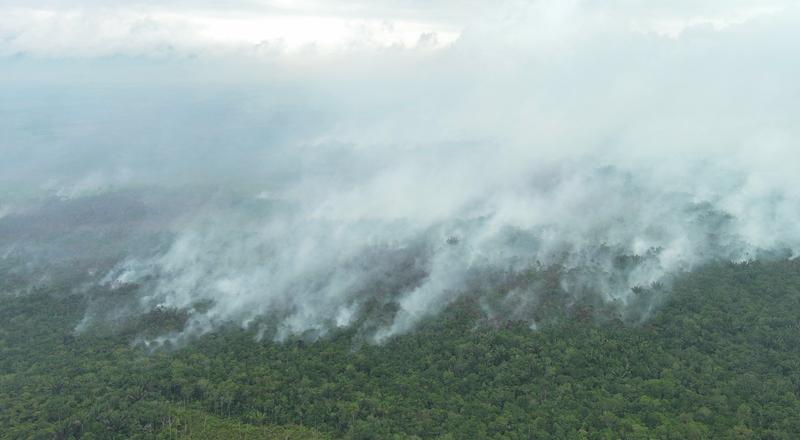
“We set out as best we could on a three-wheeler, carrying our shovels, picks, and machetes. We went into the forest; the smoke was choking us, and the fire was spreading rapidly in the wind. We did everything in our power, but it was almost impossible to put it out. We felt so frustrated because we wanted to protect our forest, but we had no way to stop the fire”
This account reflects a recurring reality in the Awajún communities of Alto Mayo. In 2024 alone—the worst year on record for wildfires—1,225 hectares of communal land were affected by forest fires, of which 839 hectares were in the Alto Mayo indigenous community alone, the hardest-hit in the area, though not the only one. Communities such as Shampuyacu, Bajo Naranjillo, Cachiyacu, Alto Naranjillo, and parts of El Dorado were also directly affected. The damage extended to forest areas, restoration zones, and spaces that the communities protect as part of their identity and livelihoods.
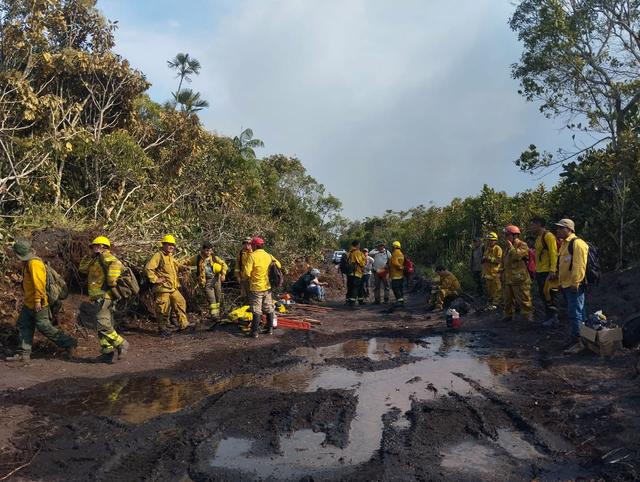
In response to this situation, FERIAAM and its partner Conservation International have been promoting concrete prevention and response actions aimed at reducing the risk of forest fires. These include the creation and maintenance of firebreaks, the organization of awareness-raising workshops, the formation of community brigades, and the construction of water reservoirs at strategic points throughout the territory. All of this is part of the “” initiative, which has been underway since 2021.
Firebreaks that protect the forest
Work began in August 2024 to clear firebreaks—control lines designed to prevent fires from spreading from agricultural areas into forested areas. These actions address a recurring problem: the use of burning to prepare agricultural land, often without control measures, especially on leased plots.
“Firebreaks prevent the fire from spreading from one side to the other. Many burnings are carried out without control lines, and the fire advances directly into the forest. That is why these firebreaks are being cleared at the forest’s edge, to protect conservation, restoration, and reforestation areas,” explained Yulissa Carrasco, Forest Control Manager at Ecosistemas Andinos – Ecoan, the partner responsible for forest control measures for the Tajimat Pujut project.
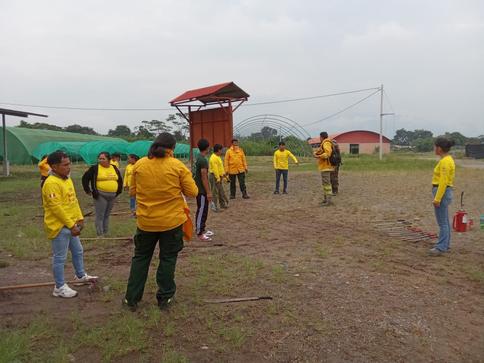
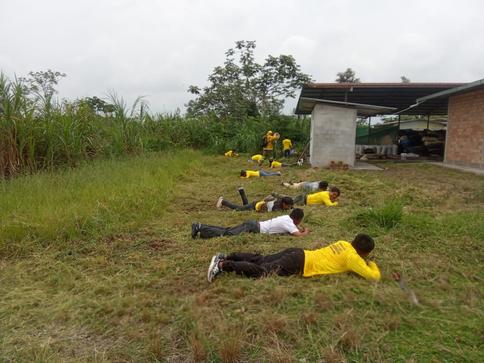
To date, 17 kilometers of firebreaks have been cleared, and an additional 1.5 kilometers have been maintained, benefiting the communities of Shampuyacu and Alto Mayo. In the coming phases, work will continue in Alto Naranjillo, with a goal of 30 kilometers of new and maintained. The minimum width of the firebreaks is four meters, adjusted according to the risk level of each area.
Awareness-Raising and Regulation
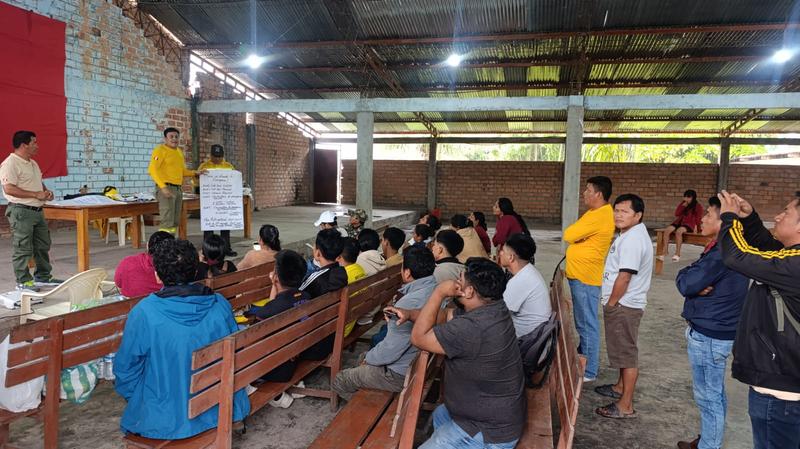
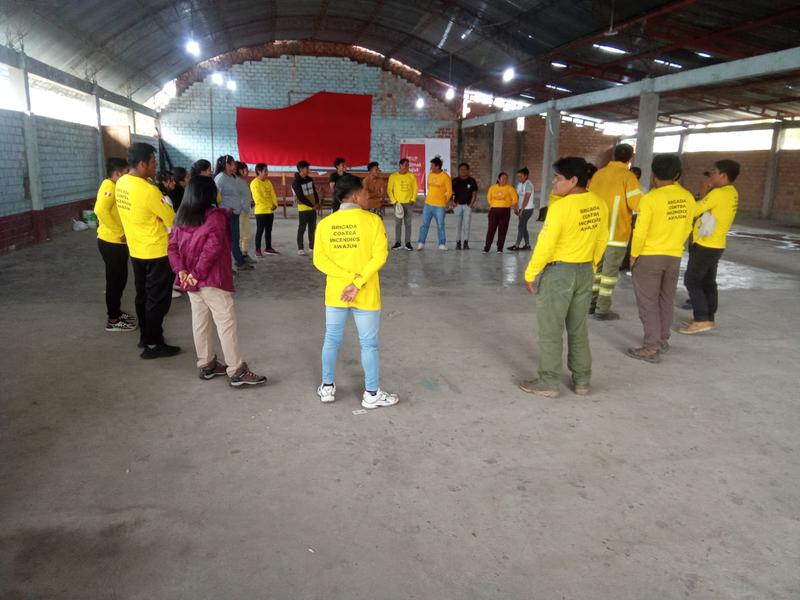
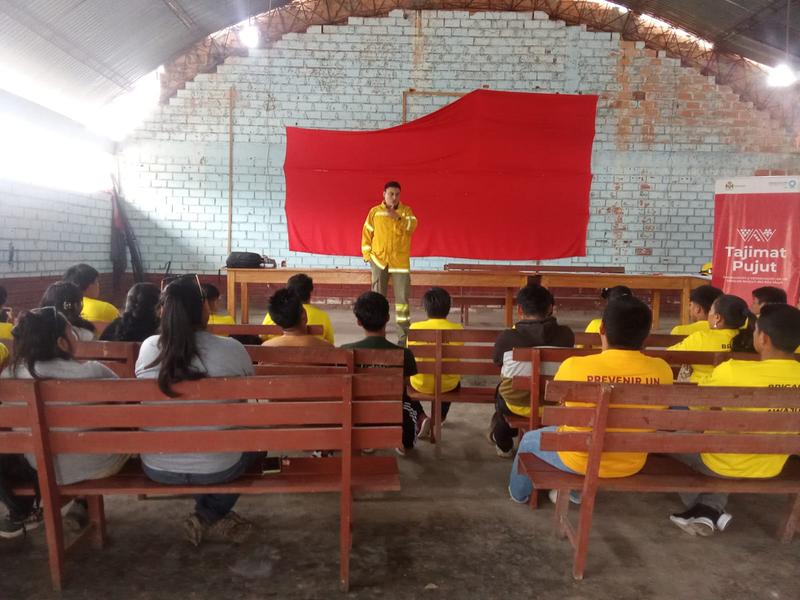
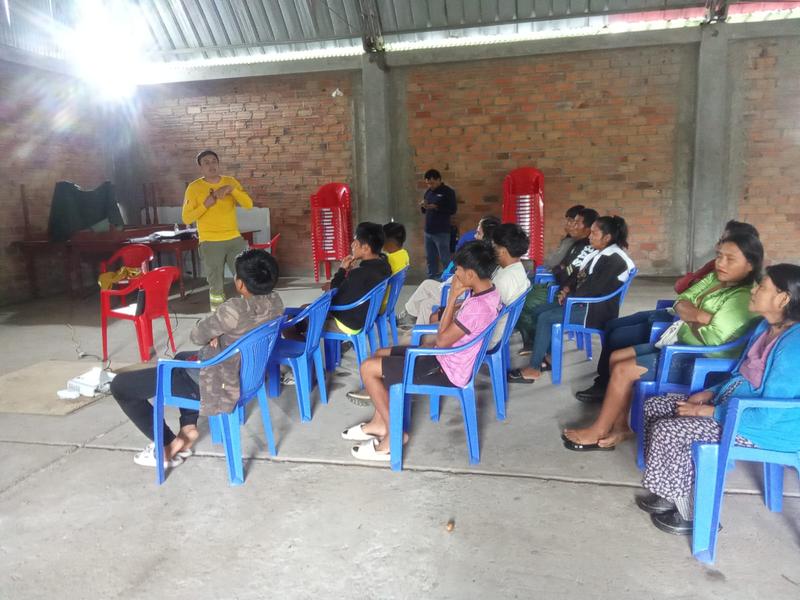
In addition, five workshops have been held in communities such as Shampuyacu, Alto Mayo, and Alto Naranjillo, as well as outreach sessions in the Huasta and Kunchun sectors, where families are trained on how to respond to a fire, whom to alert, and how to organize an initial response using basic tools.
These sessions also served to publicize Municipal Ordinance No. 006-2024, approved in June 2024 by the District Municipality of Awajún, which prohibits the burning of forest plantations, wooded areas, and accumulated plant debris, strengthening the local regulatory framework for fire prevention.
All of this has been complemented by radio spots, informational panels, and awareness posters that have been placed in homes, community offices, businesses, and public spaces to encourage reporting of individuals who start fires on their farms or in areas near forests and restoration zones.
Early warning system
As part of the preventive approach, construction also began of water reservoirs—each with a capacity of approximately 1,500 liters—in communities such as Alto Mayo, Shampuyacu, and Alto Naranjillo, as well as in areas like Huasta and Nuevo Brasil, enabling a faster response to high-risk events.
“There will be 16 reservoirs that will form part of the Early Warning System for Forest Fire Prevention, strengthening the safety and protection of our Awajún communities,” says Ruth Cumbia. The experience of the women of the Bosque de las Nuwas shows that, although community organization is key, without prevention, adequate equipment, and timely support, fire often spreads faster than any human effort. “The actions we are implementing through FERIAAM and Conservation International aim precisely to prevent these tragic and frustrated events from happening again and ensure that communities no longer have to face the fire alone,” concludes the indigenous leader.